
Celebrities, Public Pressure and Mental Health: Are We More Alike Than We Think?

When celebrities open up about anxiety, depression or recovery, it is easy to think their struggles are tied only to fame.
They deal with paparazzi. Public breakups. Headlines. Millions of strangers commenting on their appearance.
But when you look closer, the emotional themes are not that different from what many people experience every day.
Negative comments. Body image pressure. Comparison. Relationship scrutiny. Fear of judgment.
The scale may be different, but the impact on mental health can feel surprisingly similar.
Living Under Constant Criticism
Celebrities such as Billie Eilish have spoken openly about body shaming and online criticism. As a teenager, she described how public commentary about her appearance affected her self-image. Cara Delevingne has discussed feeling judged and misunderstood in the media. Justin Bieber has talked about being scrutinized from a young age, with personal struggles playing out publicly.
When every photo, outfit or relationship becomes a headline, the pressure can be relentless.
But in a smaller way, many people experience something similar.
Social media has created a culture where everyday individuals can receive constant feedback. Comments on photos. Opinions about weight. Criticism about parenting. Gossip about dating choices.
Even if the audience is smaller, the nervous system does not measure stress by follower count. It responds to perceived threat, rejection and judgment.
Body Image in a Culture Obsessed With Appearance
Body image pressure is not limited to Hollywood.
Public figures like Billie Eilish have discussed the emotional toll of being sexualized or criticized for their body. Others, including Selena Gomez and Lizzo, have spoken about navigating public commentary about weight fluctuations and health.
But body comparison is not exclusive to celebrities.
Research shows that social media use is strongly linked to increased body dissatisfaction, especially among adolescents and young adults. The constant exposure to edited images and curated lifestyles fuels unrealistic standards.
Many individuals privately struggle with:
- Comparing themselves to influencers
- Fixating on perceived flaws
- Disordered eating behaviors
- Shame tied to appearance
The difference is that most people experience this internally, without headlines. But the emotional impact can be just as real.
When Your Dating Life Feels Public
For celebrities, relationships often become public property. Breakups trend online. Rumors spread instantly. Private conflicts become entertainment.
Public figures such as Taylor Swift and Justin Bieber have spoken about how intense media focus on their relationships affected their mental health.
While most people do not have paparazzi outside their homes, modern dating often feels increasingly public. Relationship statuses are shared online. Breakups are analyzed by friend groups. Screenshots circulate. Opinions spread.
The fear of being judged or misunderstood in relationships is not limited to fame.
The anxiety that comes with vulnerability, rejection or public perception can trigger depression, self-doubt and obsessive thinking in anyone.
Is It the Media’s Fault?
It is easy to blame media or social platforms entirely. They do amplify criticism. Algorithms often prioritize controversy. Negative commentary spreads faster than supportive messages.
But media is only one piece of the puzzle.
Cultural expectations around appearance, success, productivity and relationships existed long before social media. What has changed is the volume and speed of comparison.
There is also the internal voice.
Even without external comments, many people struggle with self-criticism that is louder than any headline. Thoughts like:
- “I am not good enough.”
- “I do not look right.”
- “I should be further in life.”
- “They are doing better than I am.”
Celebrities have spoken about this as well. In interviews, several have described realizing that the harshest voice was often their own.
External pressure and internal dialogue often reinforce each other.
The Pressure to Appear Perfect
Celebrities are expected to appear confident, successful and put-together at all times.
Similarly, many people feel pressure to:
- Appear happy on social media
- Maintain a certain body type
- Seem successful professionally
- Avoid showing emotional struggle
This creates a gap between how someone feels internally and how they present externally.
Over time, that gap can increase anxiety, depression and feelings of isolation.
When celebrities disclose panic attacks, burnout or sobriety journeys, it often resonates because people recognize themselves in those emotions.
Why Celebrity Openness Matters
When public figures discuss therapy, medication or recovery, it helps normalize seeking help.
Mental health conditions do not discriminate based on wealth, status or talent. According to national data, millions of Americans experience anxiety, depression or substance use disorders each year.
Seeing someone admired admit they need support can reduce stigma.
But it is important to remember that recovery and mental health care are not trends. They are long term commitments that involve structured support, accountability and self-work.
What This Means for Everyday Life

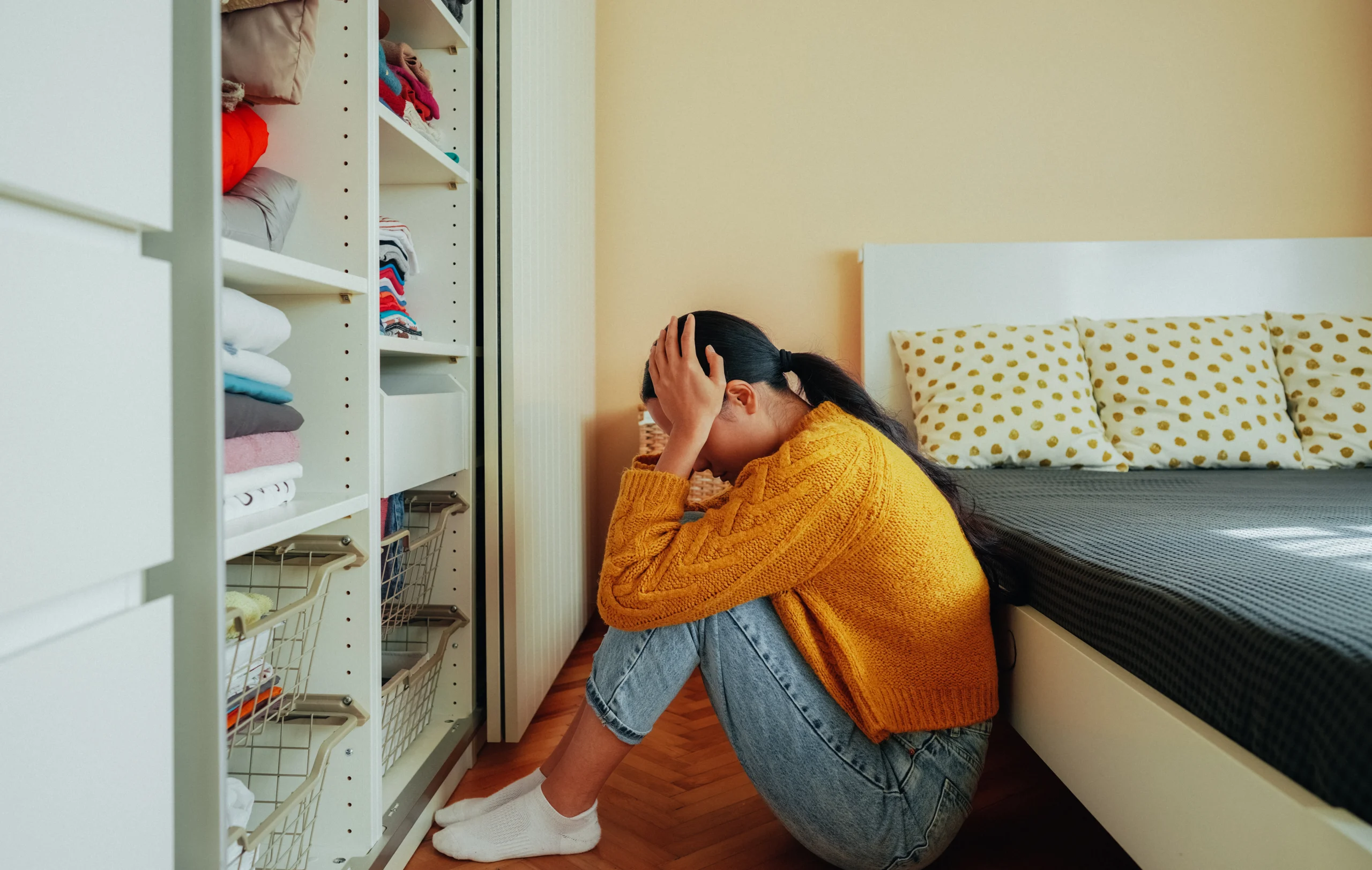
You do not need millions of followers to experience mental health pressure.
If you find yourself overwhelmed by:
- Negative self talk
- Body image concerns
- Relationship stress
- Social comparison
- Anxiety about how others perceive you
You are not alone.
The emotional themes celebrities describe are often amplified versions of common human struggles.
The difference is visibility, not validity.
Finding Support Beyond the Headlines
At High Focus Centers PA, we work with adolescents and adults navigating anxiety, depression, trauma and substance use challenges shaped by modern pressures.
Whether stress comes from social media, school, work, relationships or internal expectations, the impact on mental health deserves attention.
Therapy provides space to untangle:
- External criticism
- Internal self-judgment
- Body image concerns
- Relationship anxiety
- Coping patterns that may involve substance use
Mental health struggles are not reserved for the famous. They are part of being human in a culture that often values perfection over vulnerability.
You do not need to wait for your struggle to become public to ask for help.
Support is available, and meaningful change is possible.