

What Is Chroming? Understanding a Dangerous Trend
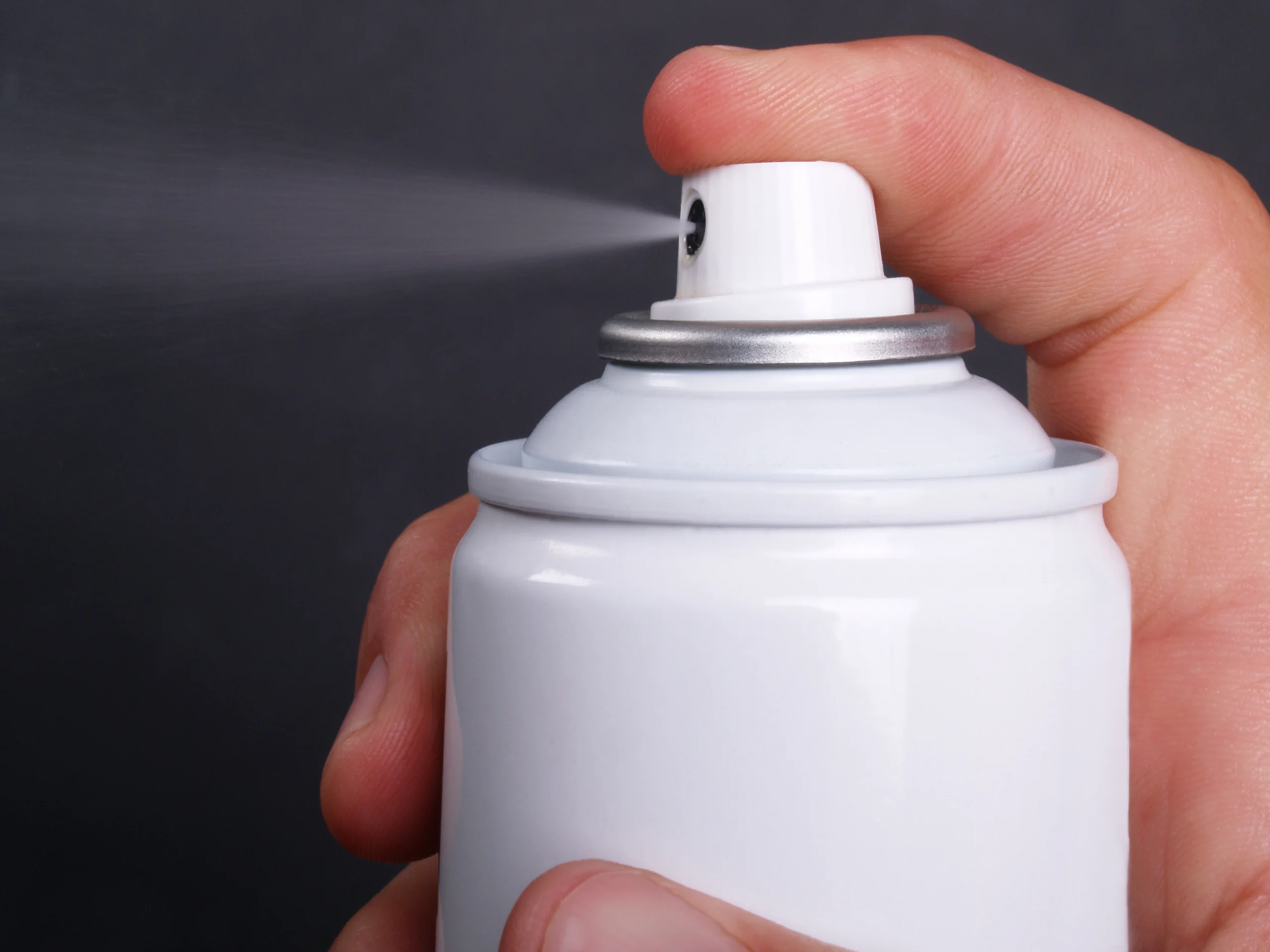
If you have heard the term “chroming” recently, you are not alone. The word has gained attention on social media, particularly among teens and parents trying to understand what it means.
Chroming refers to inhaling chemical fumes to get high. It is a form of inhalant misuse.
While the term sounds new, the behavior itself is not. Inhalant abuse has existed for decades. What has changed is how it is being shared and normalized online.
Understanding what chroming is, why it is dangerous and how it affects the brain can help families respond early.
What Does Chroming Mean?
Chroming typically involves inhaling fumes from common household products to create a short, intense high.
These products may include:
- Aerosol deodorants
- Spray paint
- Nail polish remover
- Glue
- Cleaning products
- Fuel or gasoline
The chemicals inside these items, such as solvents and propellants, depress the central nervous system and can produce temporary feelings of euphoria, dizziness or dissociation.
Because these products are legal and easy to access, many teens mistakenly believe they are safer than other drugs.
They are not.
Why Is Chroming Trending?
Social media platforms have played a role in increasing visibility around inhalant misuse. Some videos show teens participating in chroming challenges or describing the experience.
Trends like this can spread quickly, especially when framed as rebellious, funny or shocking.
Teens may experiment due to:
- Curiosity
- Peer pressure
- Boredom
- A desire for social media attention
- A belief that inhalants are less risky than drugs like alcohol or marijuana
Unfortunately, inhalants can be far more dangerous than many teens realize.
How Chroming Affects the Brain and Body
Inhalants deprive the brain of oxygen and alter how nerve cells communicate. The effects happen quickly, often within seconds.
Short term effects may include:
- Slurred speech
- Lack of coordination
- Hallucinations
- Headache
- Nausea
- Dizziness
- Confusion
The high typically lasts only a few minutes, which can lead to repeated use in a short period of time.
What makes inhalants particularly dangerous is something called sudden sniffing death syndrome. This can occur when chemicals trigger irregular heart rhythms, even in otherwise healthy individuals.
Sudden death can happen the first time someone tries it.
Long Term Risks of Inhalant Use
Repeated chroming can lead to serious health complications, including:
- Brain damage
- Memory problems
- Liver damage
- Kidney damage
- Hearing loss
- Nerve damage
- Heart complications
Because inhalants deprive the brain of oxygen, cognitive impairment can occur quickly and may be permanent.
Unlike some other substances, inhalants are toxic chemicals, not just psychoactive compounds.
How Common Is Inhalant Use?
National youth surveys consistently show that inhalants are among the substances teens experiment with at younger ages compared to alcohol or marijuana.
In recent federal survey data, approximately 1 in 30 adolescents reported using inhalants at least once in their lifetime. While rates fluctuate year to year, inhalant misuse remains a persistent concern among middle and early high school students.
Because inhalants are easy to obtain at home, early use can occur before parents recognize risk.
Warning Signs of Chroming
Parents and caregivers may notice:
- Chemical smells on breath or clothing
- Paint or stains on face, hands or clothing
- Frequent headaches or nausea
- Unusual irritability
- Decline in academic performance
- Hidden aerosol cans or cleaning products
- Small bags or rags with chemical odor
Behavioral changes such as secrecy, mood swings or isolation may also signal concern.
How to Talk to Teens About Chroming
If you suspect inhalant use, it is important to approach the conversation calmly.
Focus on:
- Expressing concern rather than accusation
- Asking open ended questions
- Listening without immediate punishment
- Providing factual information about risks
Teens are more likely to respond to conversations that feel supportive rather than confrontational.
Education is key. Many teens genuinely do not understand how dangerous inhalants can be.
When Professional Support Is Needed
Inhalant use may signal deeper emotional or behavioral struggles. Teens who experiment with substances often face underlying issues such as anxiety, depression, trauma or peer pressure.
At High Focus Centers PA, we provide outpatient mental health and substance use treatment for adolescents and adults. Our programs address both behavioral health concerns and substance misuse in a structured, supportive environment.
Early intervention can prevent experimentation from turning into long-term harm.
Why This Conversation Matters
Chroming may sound like just another social media trend, but the health risks are serious.
Inhalants can cause sudden death, permanent brain damage, and long-term medical complications. The accessibility of household products makes prevention and awareness especially important.
If you have concerns about a teen’s behavior or substance use, seeking professional guidance early can make a meaningful difference.
High Focus Centers PA is here to support families navigating these challenges with compassion and evidence-based care.