

What Is Tianeptine and Why Is It Sold at Gas Stations?
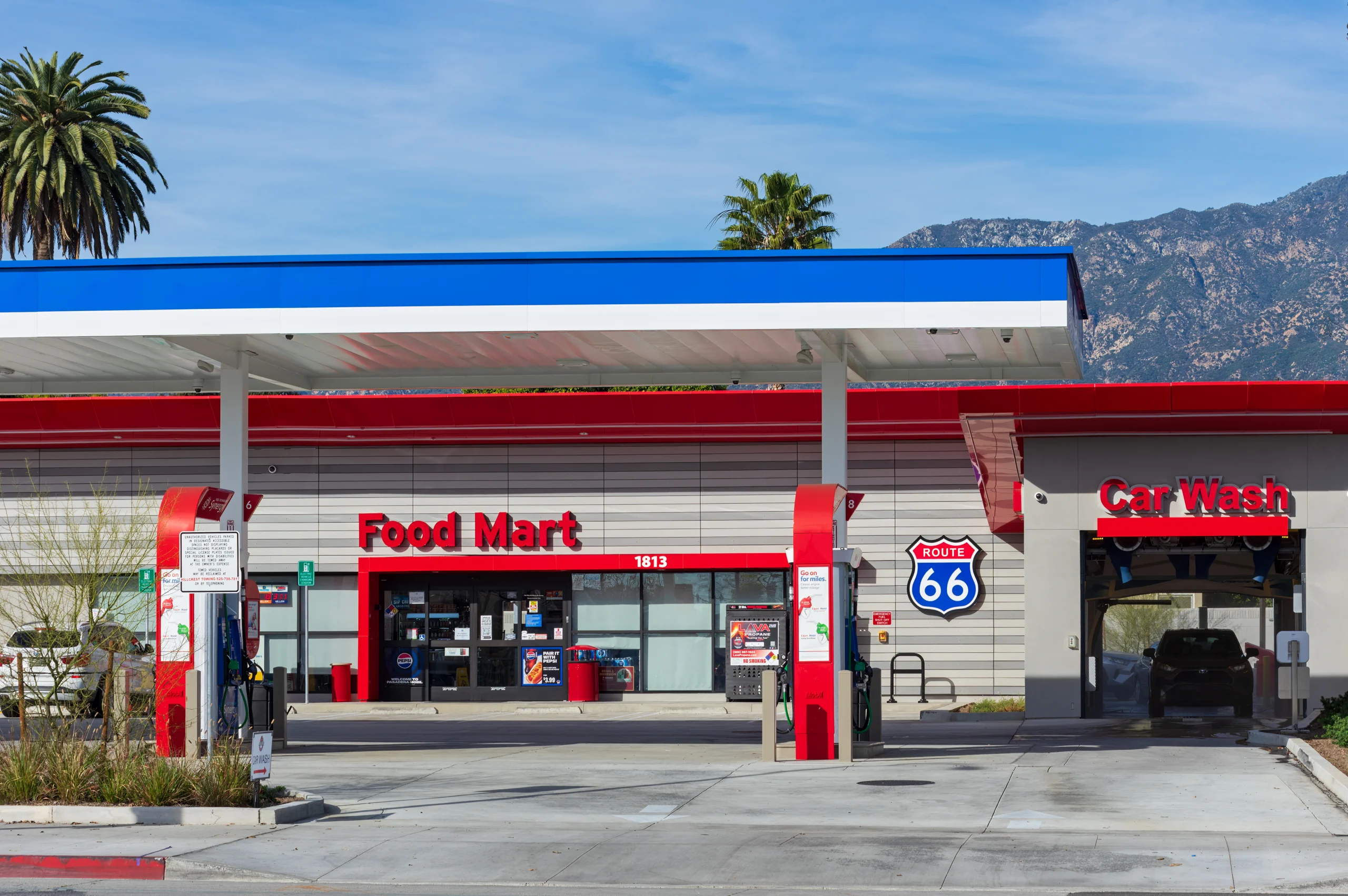
If you have seen products marketed as “ZaZa,” “Neptune’s Fix” or “TD Red” at a gas station or smoke shop, you may have wondered what they actually are.
Many of these products contain a substance called tianeptine.
It is often labeled as a dietary supplement. It may claim to boost mood, increase focus or reduce anxiety. It is sold in convenience stores and vape shops across parts of the country.
But here is the part that surprises many people.
Tianeptine acts on the brain in ways that are similar to opioids.
What Is Tianeptine?
Tianeptine is a drug that was developed in the 1980s and is approved in some countries as a prescription antidepressant.
It is not approved by the FDA for any medical use in the United States.
Despite this, it is sometimes marketed as a supplement under names like:
- ZaZa
- Tianaa
- Neptune’s Fix
- Pegasus
Because it is sold as a supplement in some locations, people often assume it is safe.
It is not.
Why Is It Called “Gas Station Heroin”?
Tianeptine has earned the nickname “gas station heroin” because of how it affects the brain.
Although it was originally classified as an antidepressant overseas, researchers later discovered that tianeptine strongly activates opioid receptors in the brain.
This means it can:
- Produce feelings of euphoria
- Reduce emotional pain
- Create relaxation
- Trigger physical dependence
- Cause opioid-like withdrawal symptoms
At high doses, it behaves much more like an opioid than a traditional antidepressant.
That is why medical professionals are increasingly concerned.
Why Is It Sold at Gas Stations?
The reason is largely regulatory.
Because tianeptine is not FDA approved as a medication in the United States, it also is not consistently scheduled as a controlled substance at the federal level. This has created a legal gray area in some states.
Manufacturers label it as a “dietary supplement” or “research product.” This allows it to be sold in convenience stores and smoke shops in certain areas.
However, several states have already banned it due to safety concerns, and others are considering regulation.
Just because something is sold at a gas station does not mean it is harmless.
What Are the Risks of Tianeptine?
Tianeptine carries significant health risks, especially when used in high doses.
Short term effects may include:
- Drowsiness
- Nausea
- Confusion
- Euphoria
- Slowed breathing
Long term or high dose use can lead to:
- Dependence
- Severe withdrawal symptoms
- Opioid-like cravings
- Seizures
- Heart complications
Withdrawal symptoms can mirror opioid withdrawal and may include:
- Intense anxiety
- Muscle aches
- Sweating
- Insomnia
- Agitation
- Depression
Some individuals report needing medical detox after heavy use.
Is Tianeptine Addictive?
Yes.
Because it activates opioid receptors, tianeptine can cause both psychological and physical dependence.
Many people begin using it for mood support or energy. Over time, tolerance develops. This means the person needs more to feel the same effect.
When they try to stop, withdrawal symptoms appear.
This cycle mirrors patterns seen in opioid addiction.
Why Is It Dangerous That It Is Marketed as a Supplement?
Dietary supplements are not regulated the same way prescription medications are.
There is often:
- No standardized dosing
- No required safety testing
- Inconsistent ingredient labeling
- Risk of contamination
This makes products containing tianeptine unpredictable.
In recent years, poison control centers have reported rising calls related to tianeptine exposure. Emergency department visits have also increased as awareness grows.
Many individuals did not realize what they were taking.
Who Is Most at Risk?
Certain individuals may be more vulnerable, including:
- People with a history of opioid addiction
- Individuals seeking mood enhancement
- Those struggling with untreated depression or anxiety
- Teens and young adults experimenting with legal substances
Because it is easy to purchase, access becomes a major risk factor.
What This Means for Parents and Young Adults
If a product is being sold next to energy drinks or vape products, it can appear low risk.
But the brain does not distinguish between “legal” and “safe.”
If you notice:
- Unexplained mood swings
- Withdrawal-like symptoms
- Increased secrecy
- Unusual supplement bottles
- Symptoms similar to opioid use
It may be worth asking questions.
Approach the conversation calmly and without immediate accusation. Many people truly do not understand what tianeptine is when they first try it.
Getting Help for Tianeptine Misuse
If someone is using tianeptine regularly and experiences withdrawal when stopping, medical supervision may be necessary.
Because withdrawal can resemble opioid withdrawal, detox services may be appropriate depending on severity.
At High Focus Centers PA, we provide outpatient treatment for substance use and co-occurring mental health conditions. If a higher level of care is needed, referrals for detox or residential treatment can be coordinated.
The earlier intervention begins, the better the outcomes.
Why This Conversation Matters
Tianeptine represents a growing category of substances sometimes called “gas station drugs.” They are marketed as supplements but act like powerful psychoactive drugs.
Just because something is sold legally does not mean it is safe.
If you or someone you care about is experimenting with tianeptine or experiencing dependence, support is available.
High Focus Centers PA is here to provide evidence-based care and compassionate support for individuals and families navigating these challenges.
In This Blog...
Related Posts
What Is Dry January? Understanding the Health Benefits and Tips for Success

Rehab After Work and The Light Program Rebrand to Become High Focus Centers
High Focus Centers PA Announces Transcranial Magnetic Stimulation (TMS) at Radnor, PA Outpatient Program

Predictions About the Future of Teletherapy