

How to Get Over a Gambling Loss
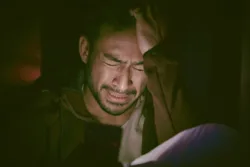
Gambling losses can feel devastating, especially when significant amounts of money are involved. Whether the loss happened during a single betting session or as part of an ongoing gambling problem, the emotional and financial consequences can be difficult to handle. Feelings of regret, frustration, guilt, anger and anxiety are common, and many people struggle to move forward after losing money they worked hard to earn.
If you’re wondering how to get over a gambling loss, the first thing to understand is that recovery is possible. While you cannot undo the loss itself, you can take steps to regain control of your emotions, rebuild your finances and prevent future gambling-related harm.
Acknowledge the Loss
One of the biggest obstacles to recovery is denial. Many gamblers spend days, weeks or months replaying events in their minds, thinking about what they should have done differently or how close they came to winning.
The truth is that the money has already been lost. While acceptance can be painful, it is also necessary. Accepting the reality of the situation allows you to focus your energy on solutions rather than dwelling on what cannot be changed.
Acknowledgment is not about giving up, it is about creating a foundation for moving forward.
Resist the Urge to Chase Losses
After losing money, many gamblers feel a strong urge to try to win it back immediately. This behavior, known as chasing losses, is one of the most dangerous patterns associated with gambling problems.
The logic seems simple: place another bet, recover the money and everything will be fine. Unfortunately, gambling rarely works that way. Chasing losses often leads to larger bets, increased risk-taking and even greater financial damage.
If you are tempted to gamble to recover lost money, remind yourself that additional gambling can create new losses rather than solve existing ones.
Understand That Losses Are Part of Gambling
Casinos, sportsbooks, online betting platforms and other gambling operators are designed to generate profits over time. While individual wins do occur, the odds generally favor the house in the long run.
Many people struggle after a gambling loss because they believe they should have won or that they were somehow “due” for a victory. Recognizing that losses are an inherent part of gambling can help reduce self-blame and unrealistic expectations.
The outcome may be disappointing, but it does not mean you failed as a person.
Process Your Emotions in Healthy Ways
A gambling loss often triggers powerful emotions. Ignoring or suppressing those feelings can make recovery more difficult.
Healthy ways to process emotions include:
- Talking with trusted friends or family members
- Journaling about your experience
- Exercising regularly
- Practicing mindfulness or meditation
- Speaking with a therapist or counselor
- Attending support groups
Sharing your thoughts and feelings can reduce shame and help you gain perspective on the situation.
Avoid Making Emotional Financial Decisions
After a significant gambling loss, emotions can cloud judgment. Some individuals take out loans, use credit cards, withdraw retirement savings or borrow money from friends and family in an attempt to recover quickly.
These decisions can create long-term financial consequences and often increase stress.
Instead, give yourself time before making major financial choices. Focus on stabilizing your situation and creating a realistic recovery plan rather than seeking immediate solutions.
Evaluate Your Financial Situation
Although it may be uncomfortable, taking an honest look at your finances is an important step in recovery.
Review:
- Bank account balances
- Credit card debt
- Loans
- Monthly expenses
- Outstanding bills
Having a clear understanding of your financial situation can reduce uncertainty and help you develop a practical plan for moving forward.
Create a Recovery Budget
Financial recovery takes time, but a structured budget can help you regain control.
Consider:
- Prioritizing essential expenses
- Reducing unnecessary spending
- Setting realistic debt repayment goals
- Building an emergency fund when possible
Even small improvements can help restore confidence and financial stability.
Identify What Triggered the Gambling
Understanding why the gambling occurred can help prevent future losses.
Common triggers include:
Stress
Many people gamble as a way to escape work pressure, financial concerns or personal challenges.
Boredom
Some individuals gamble simply because they are looking for excitement or stimulation.
Anxiety or Depression
Emotional distress can increase the desire to seek temporary relief through gambling.
Social Influences
Friends, family members or online communities may encourage gambling behavior.
Recognizing triggers allows you to develop healthier coping strategies.
Replace Gambling with Positive Activities
Recovery is often more successful when gambling is replaced with meaningful alternatives.
Healthy options include:
- Exercise and fitness programs
- Outdoor activities
- Learning new skills
- Volunteering
- Spending time with loved ones
- Reading or creative hobbies
- Joining support groups
Finding new ways to spend your time can reduce gambling urges while improving overall well-being.
Know When to Seek Professional Help
If gambling losses have become a recurring problem or are causing significant emotional or financial distress, professional support may be beneficial.
Treatment options may include:
Cognitive Behavioral Therapy (CBT)
CBT helps individuals identify unhealthy thought patterns and develop healthier behaviors.
Gambling Addiction Counseling
Specialized therapists can address the underlying causes of gambling behavior and provide practical recovery tools.
Support Groups
Peer support can offer accountability, encouragement and shared experiences.
Residential Gambling Treatment
For severe gambling addiction, residential treatment programs provide structured support and intensive therapy.
Focus on What You Can Control
One of the most difficult lessons after a gambling loss is recognizing that the past cannot be changed. However, your future decisions remain within your control.
You can control:
- Whether you place another bet
- How you manage your finances
- The support you seek
- The habits you build moving forward
Focusing on these areas can help shift attention away from regret and toward recovery.
When Losses Feel Like More Than Losing
A single gambling loss can be difficult to process. When losses happen repeatedly and begin affecting your relationships, your finances and your sense of self, it may be time to reach out for support. High Focus Centers PA provides individualized outpatient treatment for problem gambling, combining evidence-based therapy with compassionate care to help individuals identify triggers, manage urges and rebuild healthy habits. Recovery is possible and it starts with asking for help. Contact High Focus Centers PA today to speak with our team and find out how we can support your recovery.
In This Blog...
Related Posts




 The Gambler's Mindset: Beyond Luck